
S.M.I.L.E.™ Team Training
Simple to remember.
Powerful in the moment.
S.M.I.L.E.™ is a human-centered communication method employees can actually recall when the phone is ringing, the customer is frustrated, and the pressure is real.
The method
Five behaviors, in the order they happen
Select a letter to see why it matters, what good sounds like, and one micro-behavior your team can use today.
Smile so they can hear it
Bring warmth to your voice and set the emotional tone before the first word is complete.
“Thank you for calling — I’m glad you reached me. How can I help today?”
- Why it matters
- Tone lands before content. The customer decides how this is going to go within the first breath of the conversation.
- What good sounds like
- A warm, unhurried greeting at a steady pace, with energy that says this call is welcome rather than survived.
- Common mistake
- Answering flat or rushed because it is the twentieth call of the day, then trying to recover warmth later.
- Micro-behavior
- Take one breath and relax your shoulders before you answer or reply.
In full
Every letter, spelled out
Teams keep this as their shared reference after training.
Smile so they can hear it
Bring warmth to your voice and set the emotional tone before the first word is complete.
Make them feel heard
Listen fully, acknowledge their experience, validate the concern, and use their name naturally.
Identify the real concern
Ask clarifying questions, avoid assumptions, and get to the issue that matters most.
Lead with what you can do
Communicate the best available next step with calmness, ownership, and confidence.
End with certainty
Confirm the solution, next steps, ownership, timing, and follow-up so the customer does not leave wondering.
Micro-behaviors that build trust
Small habits, repeated, become reputation
Ask permission before placing someone on hold.
If the hold exceeds approximately one minute, check back in.
Thank the customer for holding or waiting.
Use the customer’s name naturally.
Remember that “no news” is still an update.
Never make the customer wonder what happens next.
Always close the loop.
What your team learns
Practice, not theory
Live scenario practice
Real situations from your business, practiced out loud, not read from a slide.
Hold etiquette
Permission, timing, check-ins, and thanks — the habits that make waiting tolerable.
Service recovery language
What to say when something has already gone wrong, without over-promising.
Follow-up habits
Simple routines that close loops before the customer has to chase them.
De-escalation
How to lower intensity through acknowledgment, pacing, and ownership.
Confidence in difficult conversations
Steady language for delays, denials, and disappointments.
Consistent ownership language
One shared way of saying who has this and what happens next.
Reinforcement
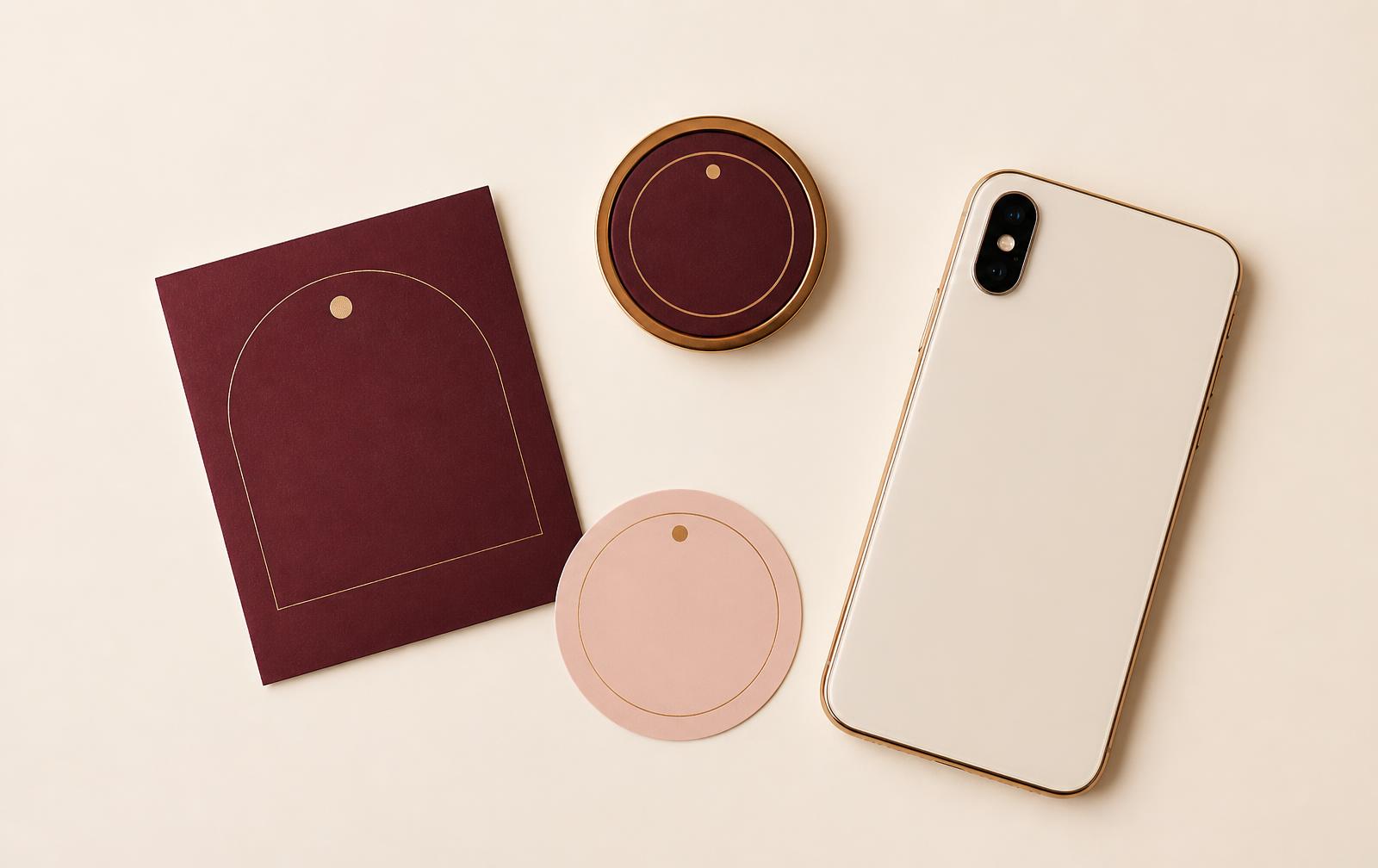
Tools that keep the method visible
Training fades. Cues don’t. Each engagement includes physical and digital reminders placed where the conversations actually happen.
Desk reminder card
The five behaviors, at eye level, where the conversations happen.
Branded magnet
A quiet visual cue in shared team spaces.
Sticker
Small, tasteful reinforcement on laptops and notebooks.
Computer or phone reminder
A scheduled nudge before peak call windows.
Not another script. A method your team can remember.
Bring S.M.I.L.E.™ to My Team
Customized to your scenarios, your channels, and the moments where your team feels the most pressure.